Choosing between Annapolis and South Florida for your next waterfront investment is not just about sunshine or scenery. It is about how you want the asset to perform, what kind of demand you want to underwrite, and how much weather, seasonality, and operational complexity you are prepared to manage. If you are weighing Chesapeake scarcity against Florida scale, this guide will help you frame the tradeoffs clearly and make a more disciplined decision. Let’s dive in.
Start With the Core Difference
The cleanest way to compare these two markets is this: Annapolis is a scarcity-and-lifestyle waterfront market, while South Florida is a scale-and-income waterfront market. That difference shapes everything from buyer demand to hold period assumptions.
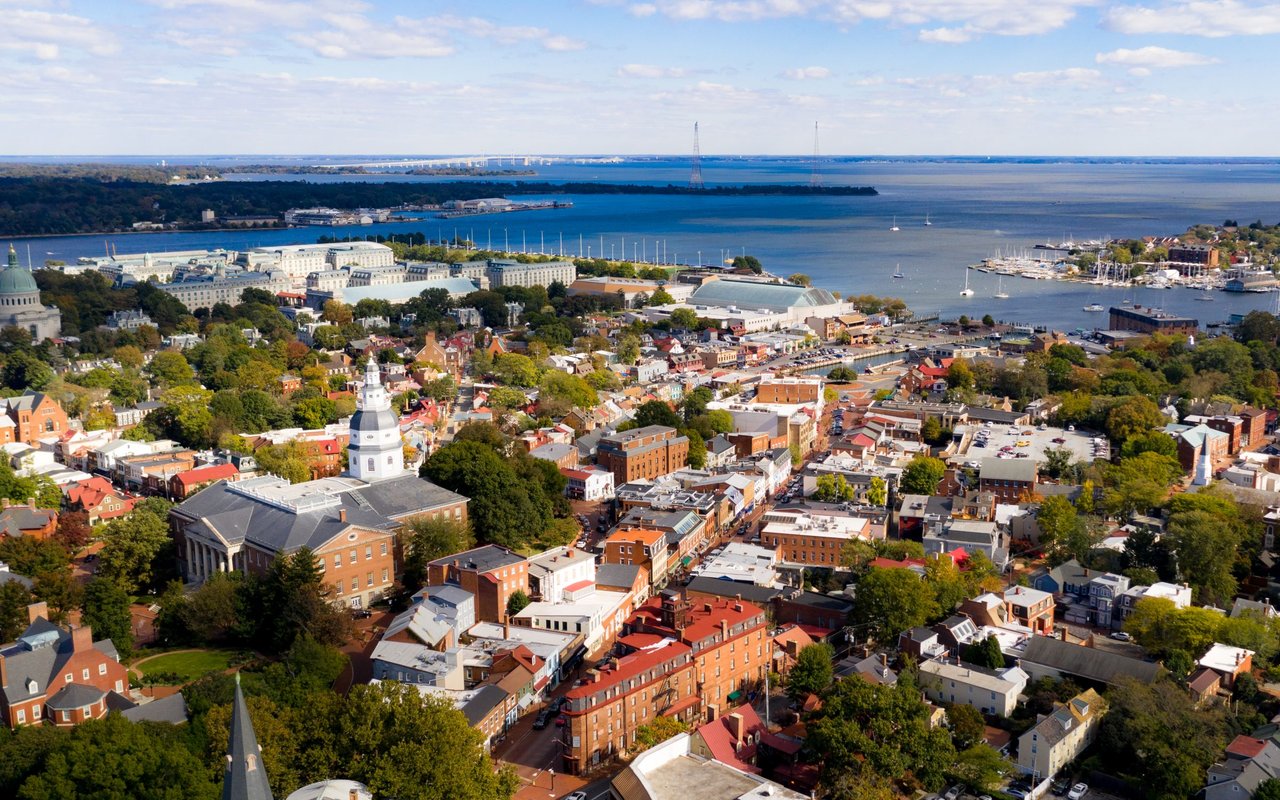
In Annapolis, waterfront value is closely tied to maritime identity, constrained supply, and a smaller, heritage-rich setting. The City of Annapolis notes that maritime use is deeply embedded in local land use, with four maritime zoning districts created to protect and promote maritime activity, downtown docks and slips, public access, and Eastport areas where maritime and single-family uses coexist. The city also reports about 2,387 marina slips and roughly 1,000 private slips, reinforcing how limited and specialized the waterfront inventory really is. You can review that context in the City’s overview of Annapolis maritime industry and waterfront structure.
South Florida offers a much broader waterfront product mix. Official destination sources highlight everything from high-rise condos and canal-front homes to bayfront estates, marina slips, yacht clubs, and larger luxury properties. That broader inventory creates more ways to invest, but it also means you are operating in a bigger, more segmented, and often more competition-heavy environment.
Why Annapolis Appeals to Long-Term Owners
If you value constrained supply and lifestyle-driven ownership, Annapolis has a compelling profile. It serves as a major recreational boating center for the Washington and Baltimore region and draws international sailors, according to the City of Annapolis. That gives the market a strong identity that is hard to replicate.
For many buyers and investors, Annapolis waterfront is not just an income play. It is also an ownership story tied to the Chesapeake, walkable maritime culture, and access to boating infrastructure. That often supports longer hold periods and a buyer pool that values the asset beyond its near-term revenue.
This matters when you think about exit strategy. In a market like Annapolis, liquidity may be driven more by end users and lifestyle buyers who want a specific kind of waterfront experience. That can make the investment thesis feel steadier if your priority is capital preservation and long-term positioning rather than maximizing short-term seasonal income.
Why South Florida Appeals to Income Seekers
South Florida tends to fit a different investment lens. It is broader, busier, and more tourism-driven, with stronger year-round boating and more global visibility. That can create a more income-oriented story, especially for investors focused on revenue depth and seasonal demand capture.
Official Florida tourism sources note that people boat, fish, water-ski, and cruise throughout the winter, and that Florida has more registered vessels than any other state. The state also hosts some of the world’s largest boat shows, which supports a very different operating calendar from the Mid-Atlantic. You can see that pattern in these Florida boating facts.
In practical terms, South Florida often underwrites more like a yield-and-seasonality asset. You may be able to model stronger winter revenue and a broader tourism base, but you also need to plan for more weather-related volatility, insurance pressure, and peak-season operational swings.
Compare the Boating Calendar
One of the biggest functional differences between these markets is the boating season itself.
In Annapolis, boating is active but more seasonal. Visit Annapolis highlights October as Boat Season, with spring and fall boat shows anchoring the annual calendar. The Harbor water taxi also runs during warmer months, which supports the idea that waterfront activity is strongest from spring through fall.
Climate data helps explain that pattern. NOAA normals show Annapolis averaging 36.5°F in January and 79.0°F in July. That creates a waterfront market where weather supports strong seasonal activity, but not the same year-round boating profile you see farther south.
Miami’s climate is notably different. NOAA normals cited in the research show an annual mean of 77.5°F, with January at 68.6°F and July at 84.1°F. That warmer baseline supports winter boating demand and a more continuous operating season.
Demand Drivers Are Not the Same
Demand in Annapolis is more event-led and boating-led. The City of Annapolis says the fall boat shows are the largest in-the-water boat shows in the world, and Visit Annapolis airport and travel resources support the city’s broader regional draw through access to nearby airports. The boat shows alone draw more than 150,000 people, which can create concentrated bursts of demand tied to specific annual events.
That kind of demand can be powerful, but it is not the same as constant tourism volume. It tends to reward owners who understand the local calendar, plan around peak waterfront events, and align operations with seasonal patterns.
South Florida demand is broader and more continuous. Florida drew 143.3 million visitors in 2025, according to VISIT FLORIDA, and the tourism ecosystem stretches beyond boating into arts, festivals, sports, dining, and year-round leisure travel. That gives South Florida more diversified visitor demand, which may support more consistent occupancy patterns depending on asset type and location.
Airport Access Favors Florida on Scale
Annapolis has strong regional access, even without a commercial airport in the city. Visit Annapolis lists nearby airport options including BWI, DCA, and IAD, giving the market convenient connections to the Washington-Baltimore corridor. BWI alone reports about 27.1 million annual passengers and more than 300 nonstop flights to over 90 destinations.
For a Chesapeake market, that is a real strength. It means Annapolis remains highly accessible to second-home buyers, regional travelers, and investors who want waterfront access without relying on hyper-local air service.
South Florida is still stronger on raw connectivity. Miami International Airport reported 55.3 million passengers at calendar year-end 2025 and 190 nonstop destinations in March 2026, while Fort Lauderdale-Hollywood International and Palm Beach International add even more regional capacity. That level of airport density supports global access, larger tourism flows, and a deeper stream of out-of-market demand.
Weather Risk Must Be Underwritten in Both
Neither market is free from weather risk. The difference is how that risk shows up in your model.
NOAA states that the Atlantic hurricane season runs from June 1 to November 30, and 96% of major hurricane days occur in August through October. That matters in both Maryland and Florida, especially for waterfront assets that may face storm interruption, flood exposure, and higher maintenance needs. You can review that timeline through the National Hurricane Center’s hurricane climatology resources.
In Annapolis, weather risk also intersects with local planning around sea-level rise and recurrent flooding. That suggests reserves for coastal maintenance and interruption should be part of any disciplined ownership strategy, even if the market feels more supply-constrained and lifestyle-oriented.
In South Florida, storm and insurance contingencies often need to be even more front-and-center. If your thesis depends heavily on revenue, you need to stress-test what happens when weather interrupts the strongest part of your operating calendar.
Think About Hold Period and Exit
Your expected hold period can help point you toward the better fit.
If you are looking for a waterfront asset that behaves more like a long-term store of value with lifestyle upside, Annapolis may align better. The city’s tighter maritime land-use structure, smaller inventory base, and strong Chesapeake identity support an ownership story centered on scarcity and durability.
If you are seeking a more active income thesis with stronger year-round boating and larger tourism depth, South Florida may offer more upside. But that upside usually comes with more moving parts, greater weather sensitivity, and a need for sharper operational planning.
At a high level, Annapolis often suits investors and buyers who want a differentiated waterfront position and are comfortable with a longer horizon. South Florida often suits those who want broader demand and are prepared to manage more volatility in exchange for income potential.
A Simple Decision Framework
If you are deciding between the two, these questions can help clarify your direction:
- Do you want scarcity and lifestyle value, or scale and income potential?
- Are you comfortable with seasonal Chesapeake demand, or do you prefer year-round boating demand?
- Is your strategy more about long-term positioning, or revenue optimization?
- Do you want a market with regional access and a tight maritime identity, or global access and broader tourism depth?
- Are you prepared for the level of storm, insurance, and operating contingency your market requires?
There is no universal winner. The better market is the one that matches your objectives, hold period, and risk tolerance.
The Bottom Line
For many waterfront buyers and investors, the real question is not Annapolis versus South Florida in the abstract. It is what kind of asset you want to own and how you want that asset to perform over time.
Annapolis stands out for constrained waterfront supply, a deeply rooted maritime identity, and an ownership profile shaped by lifestyle and long-term value. South Florida stands out for broader tourism demand, warmer year-round boating conditions, and stronger income-oriented potential, paired with greater weather and operating sensitivity.
If you want to evaluate a specific Annapolis or South Florida waterfront opportunity with disciplined underwriting and a clear operating lens, connect with Ryan Brant to schedule a consultation.
FAQs
What makes Annapolis different from South Florida for waterfront investment?
- Annapolis is generally defined by constrained waterfront supply, maritime zoning structure, and lifestyle-driven ownership, while South Florida offers broader inventory, year-round boating, and a more tourism-led income model.
Is Annapolis a year-round boating market like South Florida?
- No. Annapolis boating is more seasonal, with activity strongest from spring through fall, while South Florida supports boating demand throughout the year because of its warmer climate.
How important are boat shows to Annapolis waterfront demand?
- They are a major demand driver. The fall boat shows in Annapolis are described by the City as the largest in-the-water boat shows in the world and draw more than 150,000 people.
Does Annapolis have good airport access for waterfront buyers?
- Yes. Annapolis benefits from regional access to BWI, DCA, and IAD, which supports travel convenience for buyers, second-home owners, and investors.
Should weather risk be part of underwriting in Annapolis and South Florida?
- Yes. Both markets sit within the broader Atlantic hurricane risk framework, and waterfront underwriting should include reserves for storm interruption, flood-related issues, and ongoing coastal maintenance.
Which market may fit a longer hold strategy for waterfront ownership?
- Annapolis may be the better fit for buyers or investors focused on scarcity, Chesapeake lifestyle value, and a longer-term ownership thesis, while South Florida may appeal more to those targeting broader income potential.