Choosing between Annapolis waterfront living and historic-core living is less about right or wrong and more about how you want your days to feel. You may picture morning walks to coffee and dinner spots, or you may want harbor views, boating access, and a quieter neighborhood rhythm. In Annapolis, both options are close to each other, but they offer meaningfully different daily experiences. Here’s how to compare them with clarity and confidence.
Annapolis Living Starts With Lifestyle
In Annapolis, the biggest difference is simple. The historic core puts you in the middle of the city’s most walkable, active, and publicly facing environment, while waterfront enclaves lean more residential and water-oriented.
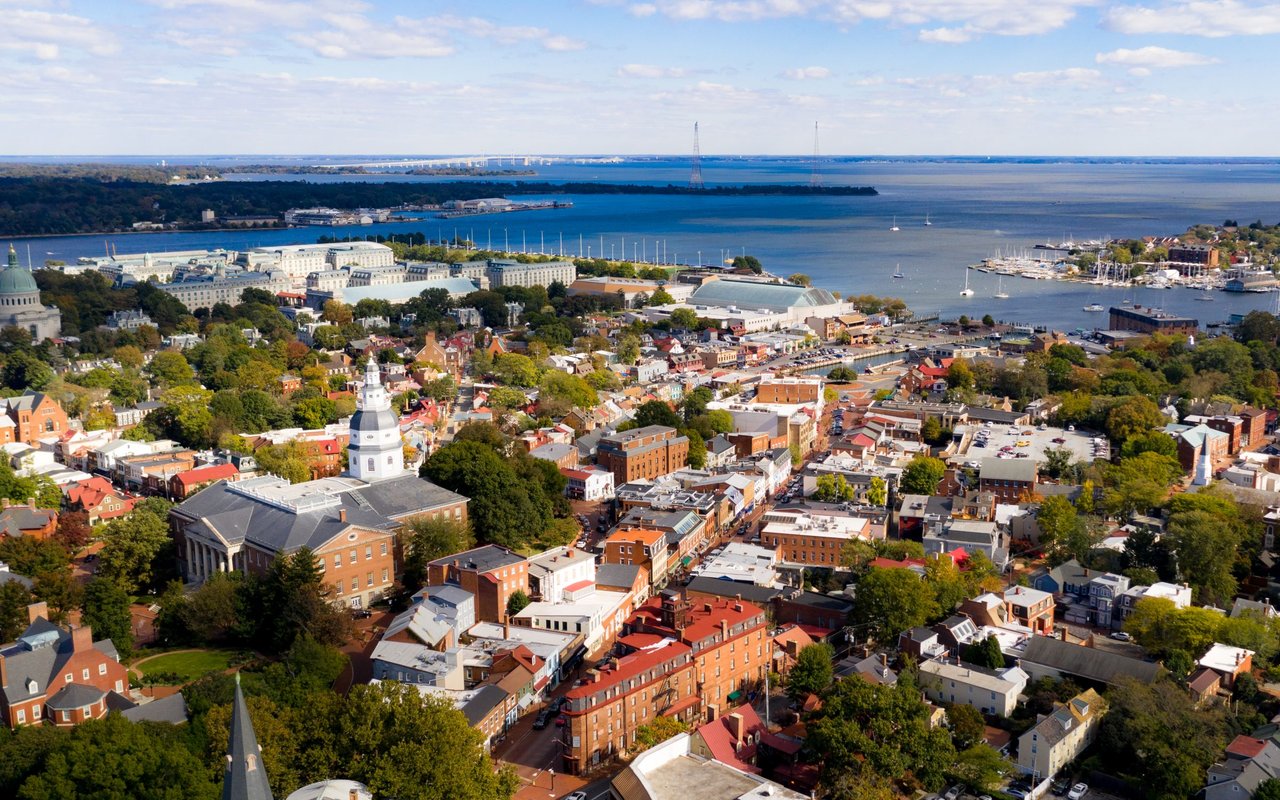
The historic downtown area includes places like Main Street, City Dock, and Maryland Avenue. The city describes Annapolis as dense and walkable, and local tourism sources describe downtown as a vibrant area where preserved 18th-century buildings now hold restaurants, boutiques, galleries, pubs, and music venues.
Waterfront areas like Eastport and West Annapolis are still near downtown, but they feel different. Eastport is described as a laid-back maritime district, and West Annapolis is presented as a quieter waterfront neighborhood with a more local feel just minutes from downtown.
Historic-Core Living in Annapolis
If you want your routine built around walking, dining, events, and architecture, the historic core is usually the clearest fit. This is where Annapolis feels most concentrated, most active, and most connected to its colonial-era identity.
Main Street and City Dock Feel
Main Street runs between Church Circle and City Dock and is known for dining, nightlife, shopping, and art. Maryland Avenue, just a block away, adds small shops, galleries, antique stores, restaurants, and bookstores to that experience.
City Dock is the historic heart of Annapolis. It is where the city meets the Chesapeake Bay, where people watch boats move through Ego Alley, and where many major events and water tours begin.
That creates an everyday lifestyle with constant activity nearby. If you enjoy stepping outside and immediately having places to go on foot, this part of Annapolis delivers that in a very direct way.
Walkability Comes First
The historic core offers one of the strongest walkable lifestyles in Annapolis. Restaurants, shops, harbor views, and public activity are tightly clustered together, which can make daily errands and social plans feel easy and spontaneous.
That said, walkability here also means more foot traffic and more public energy. If you like being near the center of things, that can be a benefit. If you prefer a quieter residential feel, it may be less ideal.
Preservation Rules Matter
Historic-core living also comes with more structure around the property itself. The City of Annapolis says exterior changes in the Annapolis Historic District are reviewed by the Historic Preservation Division, and many alterations require a certificate-of-approval process using design guidelines.
For buyers, that is not necessarily a negative. It simply means you should expect more review if you plan to make exterior changes.
Parking and Access Considerations
Downtown parking is managed differently from other parts of the city. Annapolis also provides a free downtown trolley, which can help with access and circulation.
If you are comparing areas, this is an important quality-of-life point. Historic-core living may reduce how often you need a car for daily plans, but parking and access logistics can still shape the experience.
Waterfront-Enclave Living in Annapolis
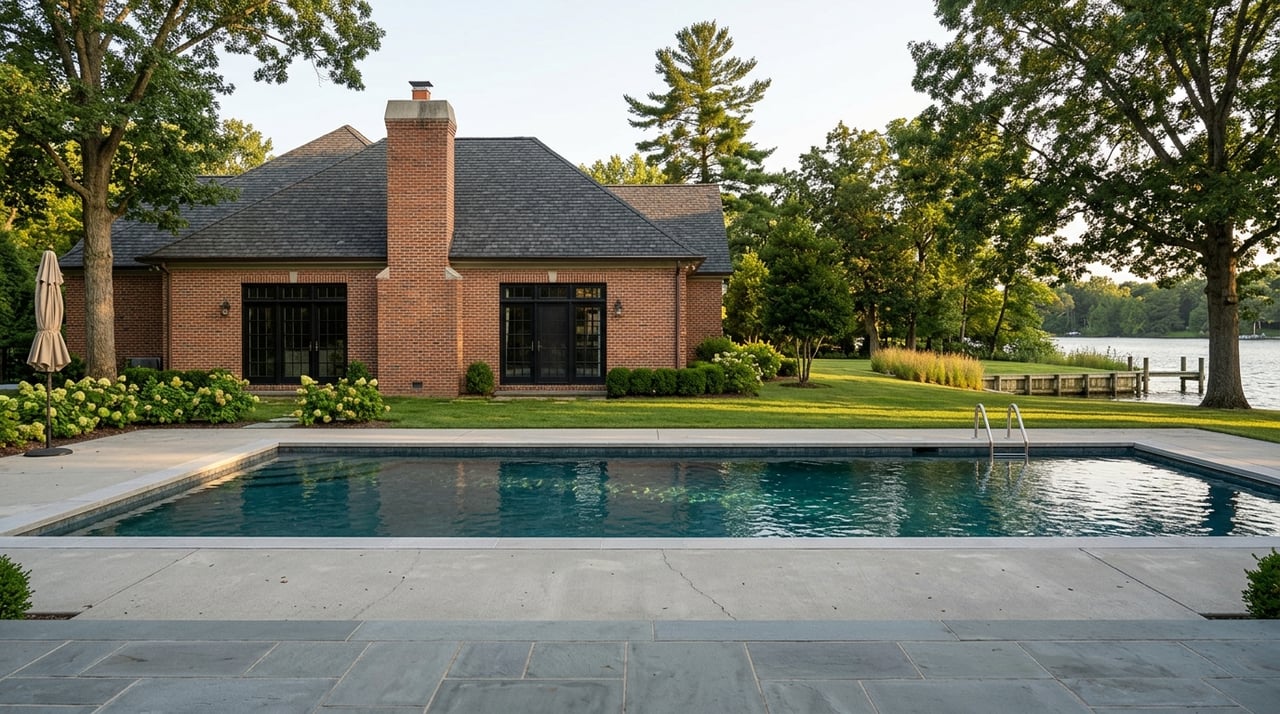
If you want Annapolis to feel like a water-first town, waterfront enclaves may fit better. These areas stay connected to downtown, but the tone is often calmer, more neighborhood-scaled, and more centered on harbor access.
Eastport Offers a Maritime Lifestyle
Eastport has the strongest waterfront identity of the areas covered in the local sources. It is described as a hidden gem with a breezy maritime vibe, accessible from City Dock by water taxi or by walking across the Spa Creek Bridge.
The lifestyle cues are specific. Street-end parks, kayaking, harbor views, dockside seating, rooftop views, sunsets, and live music all shape how Eastport feels day to day.
If you want the water to be part of your routine rather than just part of the view, Eastport stands out. It offers a more relaxed slice of Annapolis while keeping downtown close.
West Annapolis Feels More Local
West Annapolis offers a different version of waterfront-adjacent living. It is described as laid-back and less tied to tourist activity, with coffee shops, brunch spots, antiques, neighborhood businesses, and nearby waterfront views.
For some buyers, that balance is appealing. You stay near city energy without living in the busiest part of it.
Water Access Is a Real Daily Amenity
For boaters and water-focused buyers, harbor access can shape your routine in practical ways. The Annapolis Harbormaster manages public and private moorings, 1,700 feet of bulkhead, 20 slips at City Dock, and more than 17 miles of shoreline.
That matters because waterfront living in Annapolis is not just visual. In the right location, it can support regular boating, kayaking, and water-taxi access in a way that becomes part of daily life.
Historic Core vs Waterfront in Daily Life
The easiest way to compare these choices is to think about your normal week, not just your ideal weekend. Where you live should support how you actually want to spend your time.
Choose Historic Core If You Want:
- Strong walkability
- The highest concentration of restaurants and shops
- Easy access to events and public activity
- A setting defined by preserved architecture and city energy
- A lifestyle where daily foot traffic feels like part of the appeal
Choose Waterfront Enclaves If You Want:
- Closer access to boating or kayaking
- Harbor views and a more residential pace
- Neighborhood-scale dining and gathering spots
- A quieter feel while staying near downtown
- Annapolis experienced more as a maritime town than a downtown hub
Important Tradeoffs to Weigh
Every strong location choice comes with tradeoffs. In Annapolis, the two biggest ones are usually regulatory structure and flood exposure.
Historic Areas May Have More Review
If you buy in or near the historic district, exterior changes may be subject to preservation review. That can affect renovation plans, timelines, and design flexibility.
This does not mean you should avoid the area. It means you should enter the process with a clear understanding of what changes may require approval.
Low-Lying Areas Face Flood Concerns
The City of Annapolis says the lowest-lying land is in the downtown Annapolis and City Dock area as well as Eastport. The city is actively investing in flood-mitigation and resiliency projects because tidal flooding has become more intense and more frequent.
That makes flood exposure an important long-term consideration whether you are drawn to the historic core, Eastport, or another shoreline area. When you compare homes, your lifestyle goals and property-level diligence should go together.
How to Make the Right Annapolis Choice
A smart decision starts by matching the property to your routine. If you want to walk to dinner, spend time around City Dock, and live inside Annapolis’ historic identity, the core downtown areas may feel right.
If you picture your time around the harbor, want a more residential cadence, and value being close to boating and waterfront recreation, Eastport or West Annapolis may be a better fit. The key is not asking which option is better in general. The better question is which version of Annapolis fits you best.
In a market with distinct micro-lifestyles, clear local guidance matters. If you want help comparing waterfront and historic-core opportunities in Annapolis with a disciplined, property-specific lens, connect with Ryan Brant.
FAQs
What is the difference between historic-core living in Annapolis and waterfront living in Annapolis?
- Historic-core living centers on walkability, restaurants, shops, events, and preserved architecture around areas like Main Street and City Dock, while waterfront living in areas like Eastport and West Annapolis is generally more residential and tied to harbor access and water-based recreation.
Is downtown Annapolis more walkable than waterfront neighborhoods?
- Yes. The historic core offers the strongest concentration of walkable dining, shopping, and public activity based on the city’s description of Annapolis as dense and walkable and local descriptions of Main Street, Maryland Avenue, and City Dock.
Does buying in Annapolis’ historic district involve preservation rules?
- Yes. The City of Annapolis says exterior changes in the Annapolis Historic District are reviewed by the Historic Preservation Division, and many alterations require a certificate-of-approval process.
Is Eastport a good fit if you want a boating lifestyle in Annapolis?
- Eastport is one of the clearest fits for a water-oriented lifestyle because local sources describe it as a maritime district with harbor views, kayaking, dockside activity, and close access to downtown by bridge or water taxi.
What flood considerations matter in downtown Annapolis and Eastport?
- The City of Annapolis identifies downtown Annapolis, City Dock, and Eastport as low-lying areas and says tidal flooding has become more intense and more frequent, which makes resiliency and property-level due diligence important when comparing homes.
Is West Annapolis quieter than downtown Annapolis?
- Based on local descriptions, West Annapolis offers a quieter, more local-feeling environment with neighborhood businesses and nearby waterfront views, while downtown Annapolis has more concentrated activity, dining, and event traffic.