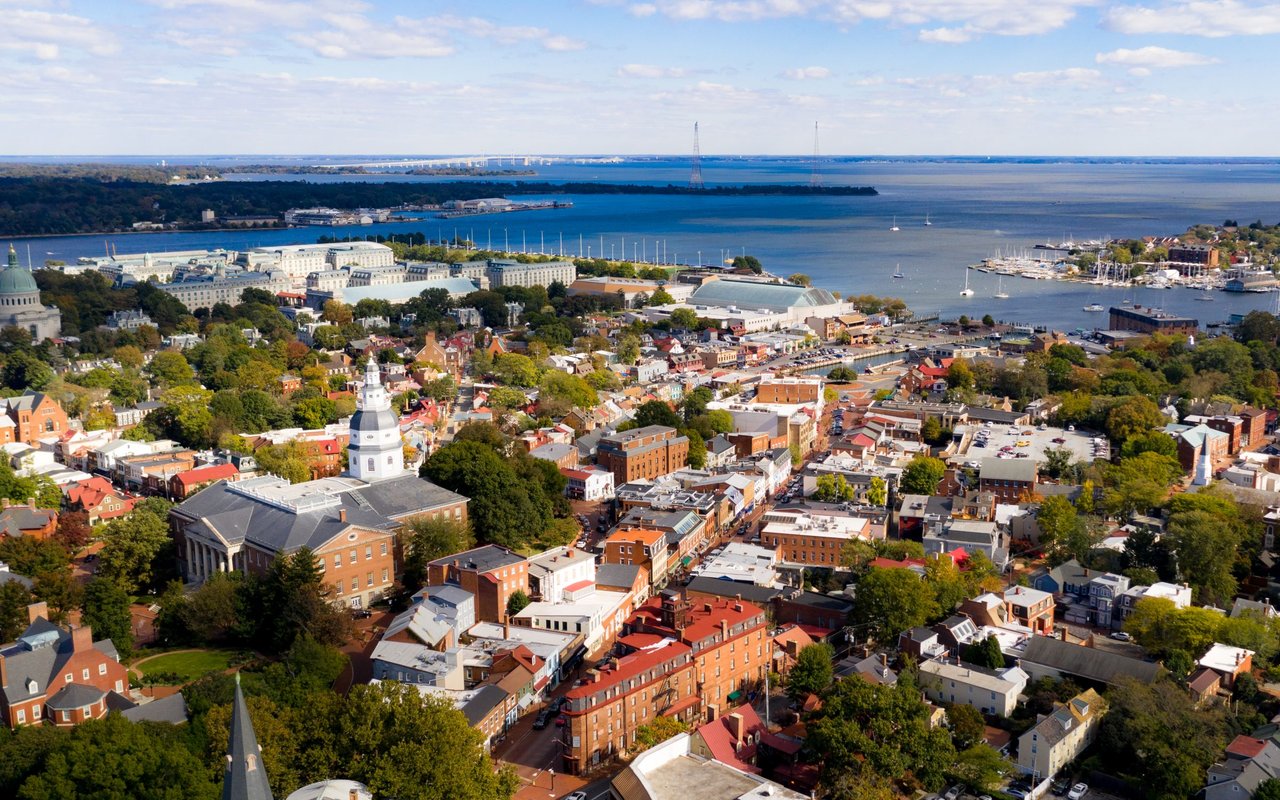
Sticker shock at closing is real. Between lender fees, title charges, and taxes, it can feel like a lot hits your wallet at once. You want a clear picture early so you can plan your cash, negotiate smartly, and avoid surprises on settlement day. In this guide, you’ll learn what Annapolis buyers typically pay, what is unique to Anne Arundel County and the City of Annapolis, and practical ways to reduce out-of-pocket costs. Let’s dive in.
Closing costs at a glance
Closing costs are the one-time expenses you pay to finalize your home purchase, separate from your down payment. In Annapolis, buyers commonly spend about 2% to 5% of the purchase price on closing costs. That range covers lender fees, title and settlement charges, government recording and transfer taxes, and prepaids like insurance and property taxes.
You do not have to guess. Ask your lender and title company for written estimates early, and review your Closing Disclosure at least three business days before settlement. That review window is your chance to question line items and correct errors before you wire funds.
What your costs include
Closing costs break into several buckets. Understanding each helps you spot savings and negotiate.
Loan and lender fees
These are charged by your lender or mortgage broker and can include:
- Origination, underwriting, application, or processing fees.
- Credit report, flood certification, tax-service, and appraisal fees.
- Optional discount points to lower your interest rate.
- Rate-lock fees in some cases.
- Up-front mortgage insurance or lender-required inspections depending on loan type.
Many lender fees are negotiable. You can often trade a slightly higher interest rate for a lender credit that offsets closing costs. Always compare full fee sheets, not just the quoted rate.
Title and settlement charges
A settlement agent or title company coordinates closing, confirms clear ownership, and issues title insurance. Common items include:
- Title search and exam.
- Settlement/closing fee.
- Lender’s title insurance policy (typically required when you finance).
- Optional owner’s title insurance policy that protects your ownership.
- Document prep and courier fees.
Title insurance premiums are one-time costs based on price and loan amount. Who pays for the owner’s policy can be negotiated in your contract, so it is smart to address this early.
Government taxes and recording in Annapolis
Maryland, Anne Arundel County, and sometimes the City of Annapolis assess recording and transfer taxes. Who pays which portion can depend on local custom and your contract terms.
- Deed recording fees are generally modest per document.
- State, county, and municipal transfer and recordation taxes can be a significant line item.
- Payment splits between buyer and seller are negotiable. Clarify in writing.
Ask your title company for an itemized estimate of all recording, transfer, and recordation taxes based on your specific purchase and whether the property lies inside City of Annapolis limits.
Prepaids and escrow deposits
Prepaids fund items that renew over time and are separate from fees:
- First year of homeowners insurance (often collected at closing).
- Initial escrow deposits for property taxes and insurance.
- Daily mortgage interest from closing to your first payment.
- HOA or condo items, such as transfer fees, move-in deposits, and prorated dues.
These amounts can be a large share of your cash to close. The required escrow cushion varies by lender and by timing within the local tax cycle.
Inspections, surveys, and optional services
You may pay for several items outside the formal Closing Disclosure:
- General home inspection and any add-ons (radon, chimney, pool, or structural specialists).
- Pest/termite, septic, or well inspections where applicable.
- Boundary or location survey, especially valuable for waterfront or historic properties.
These are often paid before closing. Budget for them even though they may not appear as a closing line item.
What is unique to Annapolis
Local practices can shift costs, so confirm these early with your title company:
- City limits vs. county only. Properties inside the City of Annapolis can have separate municipal charges and tax billing that affect proration and escrows.
- Transfer and recordation taxes. Maryland and Anne Arundel County taxes vary by price and loan amount. Who pays is negotiable and often shared.
- HOA and condo transfers. Annapolis condos and planned communities may charge transfer or resale fees that can reach several hundred dollars.
- Property types. Historic Annapolis homes and waterfront properties can require specialized appraisals or inspections that influence cost and timing.
Typical ranges you can expect
While every deal is different, most buyers spend about 2% to 5% of the purchase price on closing costs, excluding the down payment.
Two quick scenarios:
- $350,000 purchase: roughly $7,000 at 2% to $17,500 at 5%.
- $600,000 purchase: roughly $12,000 at 2% to $30,000 at 5%.
Where you land depends on negotiated tax splits, lender fees, title insurance choices, prepaid escrows, and whether condo or HOA transfers apply.
How to lower your cash to close
You have multiple levers to bring costs down. The best approach is to combine a few of these.
- Shop two to three lenders. Compare total fees and ask about lender credits.
- Request seller concessions. Your contract can ask the seller to pay certain closing costs or prepaids, subject to loan-program limits.
- Consider lender credits. A slightly higher rate can offset thousands at closing.
- Time your closing. Escrow deposits can be lower depending on the property tax cycle.
- Explore assistance programs. The Maryland Mortgage Program and county-level offerings can provide down payment or closing cost help if you qualify.
- Ask about fee waivers. Some lenders may waive small administrative fees for specific products.
Run the break-even math with your lender before choosing points or credits so you understand the tradeoff between upfront savings and long-term payments.
Your Annapolis closing checklist
Use this list to stay organized and avoid last-minute surprises:
- Request your Closing Disclosure at least 3 business days before settlement and review every line.
- Ask your title company for an itemized estimate of state, county, and city transfer and recordation taxes, and confirm who pays each charge per your contract.
- Confirm whether the property is inside City of Annapolis limits or only in Anne Arundel County.
- Get written title insurance quotes for both lender’s and owner’s policies; decide how you will split the owner’s policy in your offer.
- Verify your lender’s required initial escrow deposits for taxes and insurance.
- Identify HOA or condo transfer, resale package, and move-in fees; negotiate who pays.
- Explore state or county assistance options early to meet application timelines.
- Plan your funds to close and confirm wire instructions with the title company by phone to avoid fraud.
Who to ask for exact numbers
Because taxes and fees can change, go to the source for current figures:
- Your title company or settlement agent for recording, transfer, and title charges.
- Your loan officer for all lender fees, escrows, and rate-credit scenarios.
- Anne Arundel County and City of Annapolis finance offices for tax billing cycles and proration timing.
- Maryland state resources for assessment, title insurance filings, and homebuyer assistance programs.
Bottom line
Closing costs in Annapolis are predictable once you break them down. Plan for 2% to 5% of the purchase price, confirm whether city charges apply, and use your offer and loan structure to shift or reduce costs. A disciplined review of your Closing Disclosure, plus a few smart negotiations, can save you real dollars at the table.
If you want a clear, itemized plan for your specific purchase and help negotiating what the seller covers, connect with Ryan Brant. We bring a fiduciary mindset and local Annapolis experience to help you close with confidence.
FAQs
Who typically pays transfer and recordation taxes in Annapolis?
- It depends on local custom and your contract; splits are negotiable, so ask your title company for an itemized estimate and define the buyer/seller share in writing.
How much are closing costs for a $500,000 Annapolis home?
- Using the 2% to 5% guideline, plan for roughly $10,000 to $25,000, with your exact total driven by lender fees, tax splits, title insurance choices, and prepaids.
What is included in prepaids and escrows at closing?
- Common items are the first year of homeowners insurance, initial escrow deposits for taxes and insurance, and daily interest from closing to your first payment.
Can the seller pay all my closing costs?
- Possibly, within loan-program limits; many loans cap seller concessions, so confirm the maximum with your lender and structure your offer accordingly.
When will I see my final numbers before settlement?
- Your lender must provide a Closing Disclosure at least three business days before closing; review it line by line and ask about any charges you do not recognize.