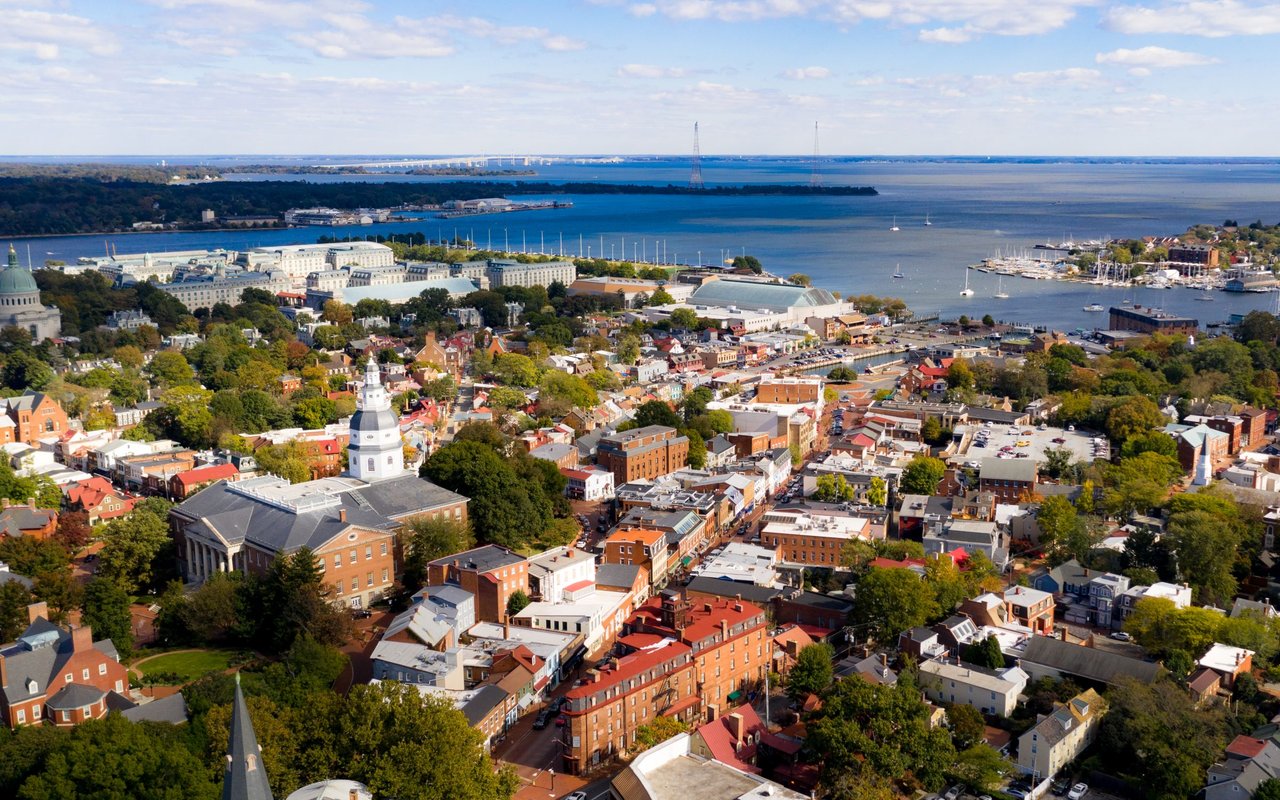
If you picture waterfront living as something reserved for weekends or special occasions, Annapolis may surprise you. Here, the water is not just a backdrop. It shapes how you move through the city, where people gather, and what daily life can feel like. If you are thinking about buying near the water in Annapolis, understanding that everyday rhythm can help you choose the right fit. Let’s dive in.
Waterfront Living Starts With Geography
Annapolis is built around the water in a very literal way. The city sits on a peninsula between College Creek and Spa Creek, and its broader waterfront setting includes the Severn River, Weems Creek, Back Creek, and Church Creek.
That geography gives you more than scenic views. It creates multiple ways to experience waterfront living, from a home near the historic downtown shoreline to a quieter setting along a creek or river. In Annapolis, the water shows up in your routine, not just your view.
City Dock helps explain why. It sits at the center of the historic core, where Main Street runs down to the harbor, and it remains one of the clearest expressions of how closely the city connects daily life with the Chesapeake Bay.
Annapolis Is a Working Waterfront
Annapolis is not only a picturesque harbor town. The city also describes itself as a major center for recreational boating in the Washington and Baltimore region, with a waterfront that supports marinas, boat dealers, marine wholesalers, and repair businesses.
That matters if you want a lifestyle built around actual access, not just proximity. Annapolis has roughly 2,387 marina slips, plus about 1,000 private slips at homes and development complexes. That scale supports a real boating culture and a practical marine infrastructure.
In other words, waterfront living here can be active and serviceable. Whether you keep a boat, enjoy harbor traffic, or simply want to live in a place where the water is part of the local economy, Annapolis offers a deeper maritime foundation than many coastal towns.
Neighborhood Styles Shape Daily Life
Waterfront living in Annapolis does not come in one standard format. The city’s neighborhoods reflect different ways to live near the water, and that variety can make your search more focused.
Historic District Living
In the Historic District, you will find renovated townhomes and rowhouses near the downtown core. If you want a walkable routine with easy access to City Dock, Main Street, and everyday waterfront views, this part of Annapolis may feel especially appealing.
This setting can suit buyers who want to step outside for coffee, dinner, harbor walks, or seasonal events without relying heavily on a car. The appeal is often less about private shoreline and more about being woven into the waterfront fabric of the city.
Eastport Waterfront Energy
Visit Annapolis describes Eastport as a nautically inspired district with businesses, restaurants, and homes. It also sits close to Back Creek and the Annapolis Maritime Museum & Park, whose campuses reinforce how central the water is to everyday life in this area.
If you want a lifestyle with strong maritime character and quick connections to shoreline destinations, Eastport offers a different kind of waterfront experience than the historic core. It can feel active, local, and closely tied to boating culture.
West Annapolis and Severn Access
West Annapolis is described as a waterfront neighborhood along the Severn River, just minutes from downtown. For some buyers, that means a balance between water orientation and a little more separation from the busiest tourist and event zones.
Depending on the property, this kind of setting may align with buyers looking for a detached home, more outdoor space, or a quieter daily pattern while still staying connected to central Annapolis.
What Housing Choices Can Look Like
Because Annapolis has several waterfront settings, your home search often starts with lifestyle before it starts with architecture. Based on the city’s neighborhood pattern and marina inventory, buyers often think through choices like these:
- Historic rowhomes or townhomes if you want to walk to City Dock, Main Street, and downtown destinations
- Condos or development communities with slips if you want lower-maintenance access to the water
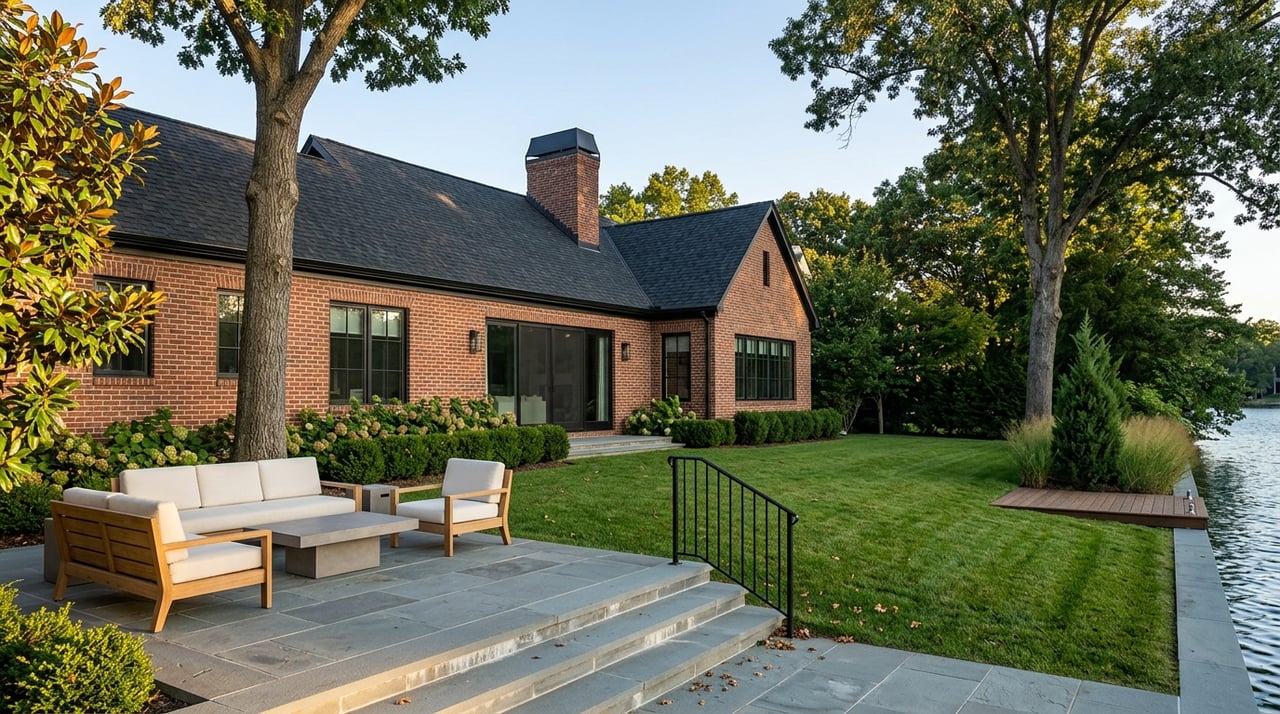
- Detached homes near creeks or rivers if you want more privacy, yard space, or a stronger private-outdoor feel
None of these is inherently better than the others. The right fit depends on how you want your week to function, from your morning routine to your weekends.
Everyday Life Can Be More Walkable
One of the strongest arguments for waterfront living in Annapolis is how usable the city feels on a normal day. Downtown is compact, with restaurants, shops, art galleries, and music venues clustered in a relatively small area.
That means you can build routines that feel simple and connected. You might start on Main Street, walk down to City Dock, continue toward State Circle, and then head over to Maryland Avenue or across the Spa Creek bridge into Eastport.
For many buyers, that changes what waterfront means. It is not just about a premium view. It is also about having a day-to-day environment where errands, dining, and recreation can happen within a more compact footprint.
Water Access Supports Mobility Too
In Annapolis, the waterfront can also play a practical transportation role. During the warmer months, harbor water taxis operate from City Dock and other shoreline destinations, adding another way to move around the city.
For small craft users, the city manages dinghy docks at 22 street endings and at Kunta Kinte Park in Ego Alley. The city also manages anchorages in the Severn River, Weems Creek, Spa Creek, and Back Creek.
Land-based options add to that flexibility. Annapolis Transit offers fixed routes, shuttle service, ADA paratransit, a free downtown shuttle, and on-demand Go! Time service. For broader regional commuting, the city points residents to MTA commuter bus service, MARC trains, WMATA access, and Amtrak connections.
Weekends Tend to Follow the Water
If your ideal home supports an active weekend routine, Annapolis has a clear identity. Visit Annapolis notes the city’s long-standing reputation as the Sailing Capital of the United States, and local boating offerings include charter trips, rentals, lessons, fishing, and overnight cruising on the Bay.
That creates a rhythm that extends beyond property lines. Living near the water in Annapolis often means living near events, launches, marinas, and a broader boating culture that stays visible throughout the year.
City Dock as a Gathering Point
City Dock is one of the easiest places to understand the lifestyle. It serves as a launching point for many water tours, a place to watch boats move through Ego Alley, and a destination for dining, shopping, and civic events.
The seasonal calendar adds to that appeal. Annapolis hosts major boat shows with more than fifty years of history, along with spring and summer events that keep the waterfront active and highly visible.
Dining and Cultural Stops
Waterfront living here also connects to culture, not just recreation. The Museum of Historic Annapolis is located at 99 Main Street near City Dock, while Maryland Hall offers performances, film screenings, classes, and resident companies.
The Annapolis Maritime Museum & Park adds exhibits, community programs, event spaces, and waterfront trails across its two campuses. That gives you several ways to engage with the city beyond boating, while still staying closely tied to the water.
Practical Planning Matters
The view may draw you in, but practical due diligence matters just as much in Annapolis waterfront real estate. The city says nuisance flooding can occur any time of year and is most prevalent from March to September.
The lowest-lying land is concentrated in the downtown City Dock area and in Eastport. The city also notes that FEMA has identified special flood hazard areas within Annapolis.
For buyers, that makes property-specific review essential. You will want to understand floodplain conditions, insurance implications, site elevation, and how a particular location fits your tolerance for maintenance, access, and weather-related risk.
FEMA also notes that flood insurance is a separate policy and that most homeowners insurance does not cover flood losses. In a waterfront market like Annapolis, that is not a detail to leave until late in the process.
The Best Fit Depends on Your Routine
The key to everyday waterfront living in Annapolis is that there is no single version of it. One buyer may want a historic rowhome near City Dock with a walk-to-dinner routine. Another may prefer a lower-maintenance condo with slip access, while someone else may want a quieter creekside home with more privacy.
What ties these choices together is the city itself. Annapolis combines marina infrastructure, compact walkability, seasonal water transit, and a strong maritime culture in a way that makes the waterfront feel functional, not ornamental.
If you are evaluating waterfront property in Annapolis, the smartest approach is to match the home to the life you want to lead every day. If you want help evaluating waterfront opportunities with a disciplined, local perspective, connect with Ryan Brant.
FAQs
What does everyday waterfront living in Annapolis actually mean?
- It usually means the water is part of your normal routine, from walking near City Dock to using seasonal water taxis, visiting marinas, dining by the harbor, or living near a creek or river.
What neighborhoods support waterfront living in Annapolis?
- Common waterfront-oriented settings include the Historic District, Eastport, and West Annapolis, each offering a different balance of walkability, maritime activity, and residential feel.
What types of waterfront homes can you find in Annapolis?
- Depending on the area, you may find historic rowhomes, townhomes, condos in communities with slip access, and detached homes near creeks or riverfront streets.
Is Annapolis waterfront living walkable?
- In many parts of the city, yes. Downtown Annapolis is compact, and key destinations like Main Street, City Dock, State Circle, Maryland Avenue, and Eastport can connect into a more walkable daily routine.
What practical risks should buyers consider with waterfront property in Annapolis?
- Buyers should review floodplain conditions, nuisance flooding patterns, insurance needs, and the specific characteristics of each property, especially in lower-lying areas like City Dock and parts of Eastport.