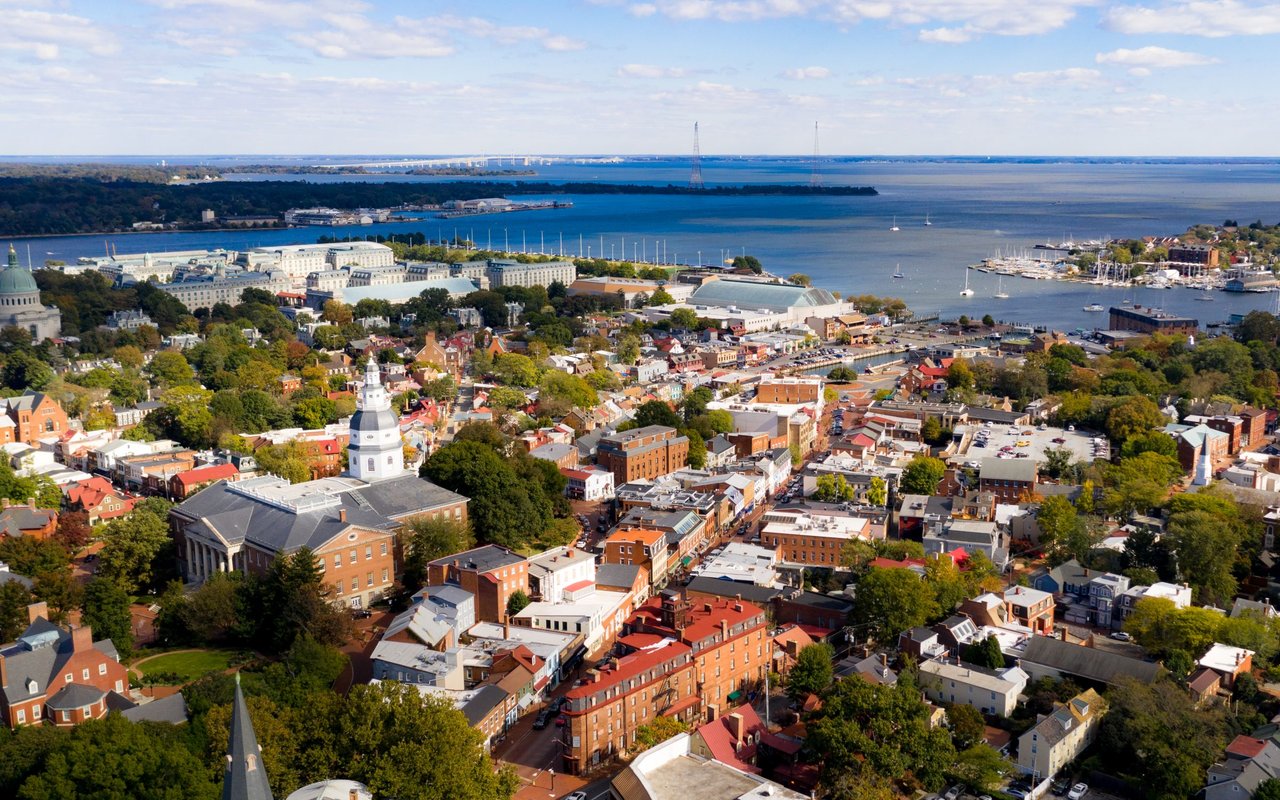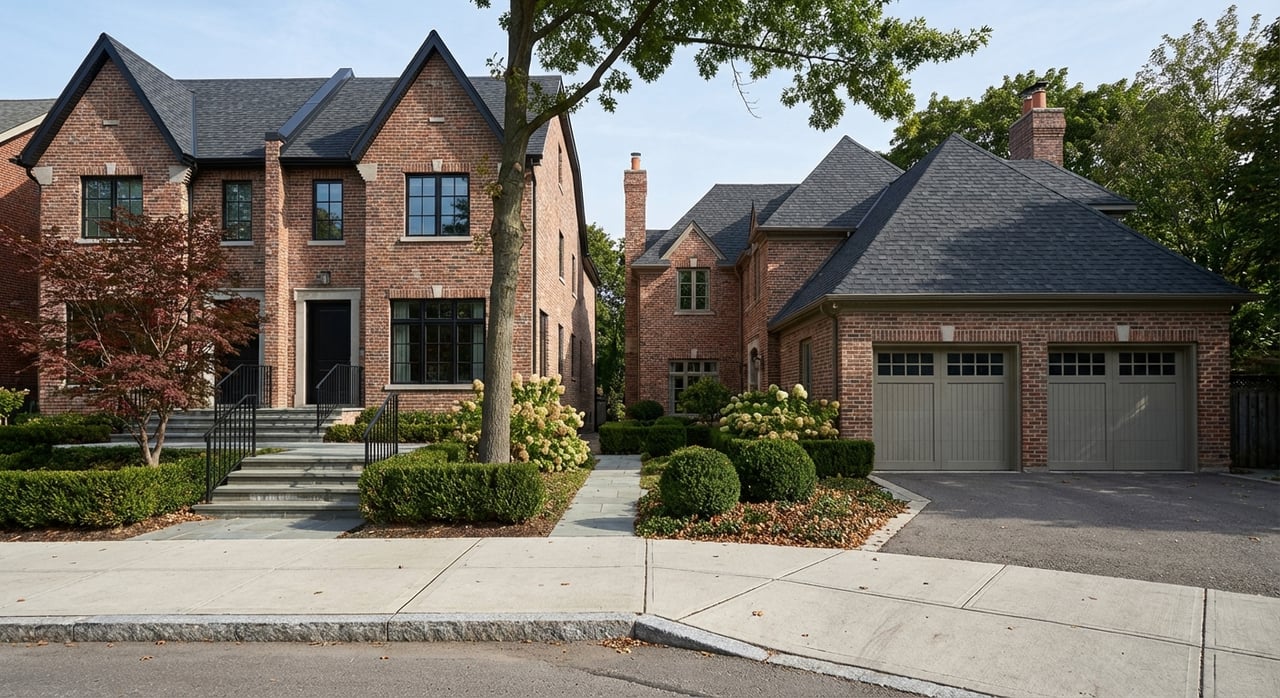
Torn between a low-maintenance townhome near Tysons and a classic McLean single-family with a yard? As a current McLean homeowner, you want more space or a different lifestyle without taking on unnecessary risk. This guide gives you a clear, practical way to compare options, map your financing, and time your buy and sell with confidence. Let’s dive in.
McLean market right now
Desirable McLean addresses still move, but the frenzy has cooled from the 2021–22 peak. You’ll see fewer bidding wars, yet top properties can draw strong interest. For a current snapshot of pace and pricing, review the local trends on the McLean housing market page.
Price points vary a lot by micro-market. Central McLean and ZIP 22101 often command premium single-family prices compared with broader McLean. For context on 22101, check recent zip-level metrics on Realtor.com’s 22101 market page.
If you want transit access and newer townhome product, focus near Tysons and Silver Line nodes. If you prioritize lot size and privacy, look closer to downtown McLean and established enclaves. Your decision should align with how you live day-to-day.
Townhome vs single-family: what fits your life
Price and entry point
Across the McLean area, luxury townhomes can start in the mid six-figures and rise into the low seven-figures depending on location and finish. Single-family homes in central McLean commonly sit in the upper seven-figure to multi-million range. Your exact budget depends on neighborhood, age, and condition.
Space, layout, and lifestyle
Single-family homes usually offer more interior square footage, larger lots, and room for future additions. If you want a private yard, storage, and long-term flexibility, this path fits. Townhomes provide vertical living with less yard work and often newer systems. Many sit near the Silver Line’s McLean Station, giving you easier commute choices and access to Tysons amenities.
Maintenance and recurring costs
With single-family homes, plan for higher variable upkeep: roofs, exterior, trees, driveways, and systems. A common budgeting rule is 1 to 2 percent of the home’s value annually, plus reserves for big-ticket items. For townhomes, HOA dues cover part of the exterior but add a monthly cost and potential for special assessments. Review what the dues include, the reserve strength, and any upcoming projects before you assume a lower total cost of ownership. For a helpful overview of hidden costs, see this homeowner cost guide.
Financing and resale considerations
If you are eyeing a condo-style townhome or a community with shared structures, your financing can hinge on the project’s health. Lenders and the agencies look at reserves, insurance, repairs, and litigation. Projects that do not meet standards can narrow your buyer pool at resale. Learn how these rules work in Fannie Mae’s project standards overview.
For single-family homes, underwriting is typically more straightforward. Resale depends more on lot attributes, comparable sales, and address-level school assignments.
Equity and long-term potential
In McLean, land often drives value. Single-family homes can capture more land appreciation over time, while townhomes appreciate based on community comps and finishes. If you expect to hold the property long-term, weigh lot quality, potential for improvements, and address-level school assignment as part of your long-run model.
How to finance your move-up
Loan size and type in Fairfax County
At higher McLean price points, many buyers use jumbo loans. Conforming loan limits for 2026 rise to a baseline of $832,750 and a high-cost ceiling of $1,249,125 for one-unit properties. Loans above local limits are typically jumbo with stricter underwriting and reserve requirements. Review the latest figures in the FHFA’s 2026 conforming loan limit announcement.
Closing and carrying costs to plan for
Budget buyer closing costs at roughly 2 to 5 percent of the purchase price depending on loan type and terms. If you buy first, model a short period of double carrying costs, including taxes, insurance, utilities, and HOA dues. If you sell first, plan for short-term housing or a rent-back.
How to time the buy and sell
Option A: buy with a sale contingency
A sale contingency lets you tie your purchase to the successful sale of your current home. Sellers often include a kick-out clause so they can keep marketing. You can strengthen a contingent offer by listing your home first, tightening timelines, and increasing earnest money. For a plain-English overview, see this guide to contingent offers.
Option B: sell first with a rent-back
You close on your sale, then stay in the home for a short, negotiated period while you buy. A rent-back can lower risk because you avoid two mortgages. You will negotiate daily rent, property condition, and liability terms. This approach works well if you value certainty and can move quickly on the next purchase.
Option C: buy first with a HELOC or bridge loan
If you need to buy non-contingent, you can tap your equity for the down payment. A bridge loan is short term and fast but often costs more. A HELOC is usually cheaper but has variable rates and can affect your debt-to-income. Compare terms and model worst-case timelines. Here is a helpful bridge loan vs HELOC comparison.
Timeline you can expect
- Offer accepted: day 0
- Due diligence and inspections: typically 7 to 14 days
- Appraisal and underwriting: often 1 to 3 weeks after ordered
- Closing: commonly 30 to 45 days after contract acceptance
Jumbo loans can take longer because of additional documentation. Align your contract timelines with your lender’s guidance and the seller’s needs.
McLean-specific due diligence
HOA and reserve study review
For townhomes and condos, request the full HOA resale packet early. Review the budget, reserve study, insurance, delinquency rates, meeting minutes, and any pending special assessments. Weak reserves or major unfunded repairs can limit conventional financing under Fannie Mae project standards.
School boundaries and changes
Confirm the exact school assignment for the property address using Fairfax County Public Schools tools. The county has adopted specific boundary adjustments affecting McLean-area pyramids. Review updates on the FCPS site for adopted boundary adjustments before you rely on older maps.
Fairfax County property taxes
Review the base real estate tax rate and any add-on district or service charges that apply to your target address. You can find current rates on the county’s real estate tax page. Use these figures to estimate annual carrying costs at your price point.
Commute and transit access
If transit is important, map the Silver Line stations that serve McLean and Tysons and test your daily route. The McLean Station page outlines location and services. Many McLean commuters report 20 to 35 minute one-way times depending on time of day and destination.
Quick move-up checklist
- Confirm address-level school assignment using FCPS tools and review any adopted changes.
- Get a strong pre-approval and confirm whether your target price needs a jumbo loan or fits within conforming or high-cost limits.
- Townhome or condo short list: request the HOA resale packet, recent reserve study, insurance certificates, delinquency rate, and 12 months of meeting minutes.
- If writing a sale-contingent offer: have your current home market-ready with photos, staging, and realistic pricing. Tighten timelines and consider a larger earnest deposit.
- If buying first: compare HELOC vs bridge loan costs, and model what happens if your home takes 60 to 90 days to sell.
- Budget buyer closing costs at 2 to 5 percent and plan for short-term double carrying if needed.
- Ask directly about pending special assessments and required building repairs.
Ready to choose with confidence?
Whether you prioritize yard space, lower maintenance, or a faster commute, you can move up in McLean with a plan that protects your time and your equity. If you want help comparing neighborhoods, modeling financing, and sequencing the buy and sell, connect with Ryan Brant to map your path.
FAQs
What should I budget for closing costs in McLean as a move-up buyer?
- Most buyers should plan for roughly 2 to 5 percent of the purchase price, depending on loan type, points, and local fees, and extra reserves if using jumbo financing.
How competitive is McLean right now compared to recent years?
- The market is calmer than 2021–22, but desirable homes still move quickly; review current conditions on McLean’s market snapshot before you set offer terms.
Do HOA reserves affect my ability to finance a townhome or condo?
- Yes; weak reserves, litigation, or major repairs can limit conventional financing and shrink the buyer pool at resale under Fannie Mae project standards.
What are the current conforming loan limits relevant to Fairfax County?
- For 2026, conforming limits rise to a baseline of $832,750 and a high-cost ceiling of $1,249,125 for one-unit homes per the FHFA announcement.
How do I verify the school assignment for a specific McLean address?
- Use the FCPS address tools and review the county’s page for adopted boundary adjustments to confirm the latest assignment.
What is the best way to avoid paying two mortgages at once?
- Sell first with a short rent-back, or secure a strong sale contingency on your purchase; if you must buy first, compare a HELOC to a bridge loan and model the worst-case sell timeline using this HELOC vs bridge overview.