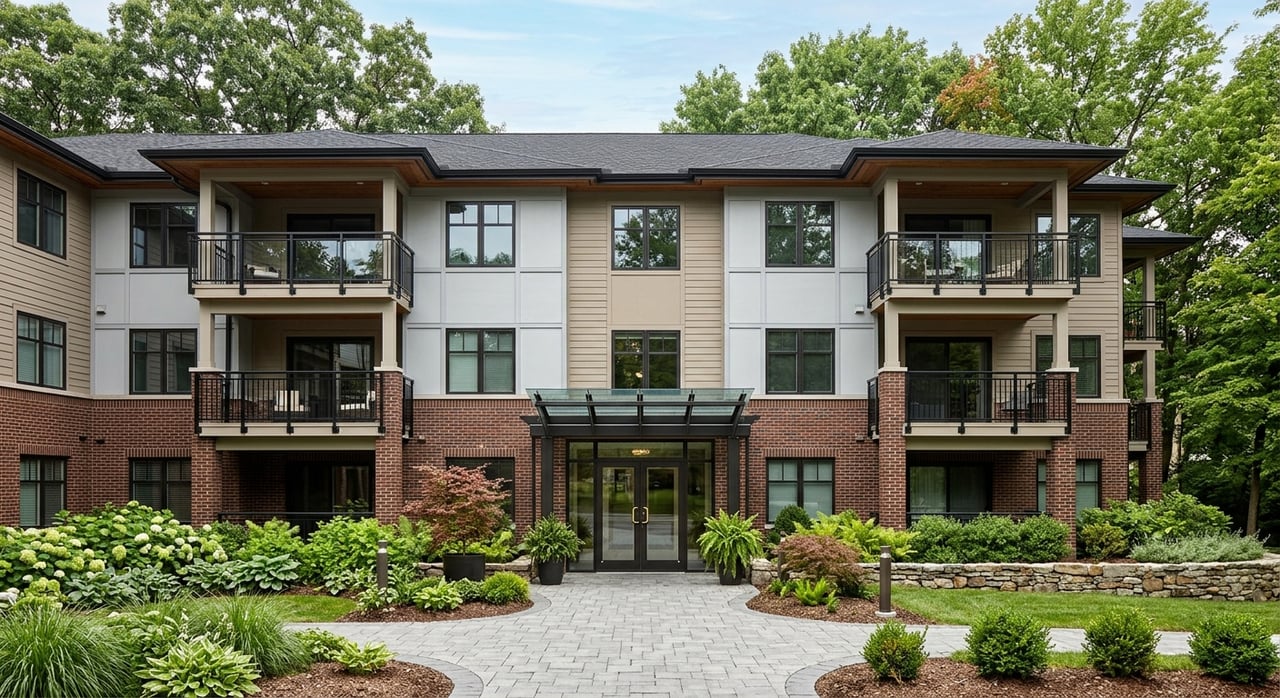
Buying a condo in Ocean City can look simple on the surface. You find a unit you like, compare the monthly fee, and start picturing beach weekends or rental income. But condo ownership is really a shared financial and legal relationship, not just a purchase of four walls. If you understand how associations work, what fees cover, and which documents to review, you can make a more informed decision with fewer surprises. Let’s dive in.
How condo associations work in Maryland
In Maryland, a condominium is governed by a council of unit owners, which is a legal entity. Its bylaws can give authority to a board of directors, managing agent, or another person to handle day-to-day operations, manage common elements, and administer the condominium.
That matters because when you buy a condo in Ocean City, you are buying into a community structure as well as a unit. The association can adopt reasonable rules, collect assessments, hire contractors, regulate common areas, and impose late charges or reasonable fines after notice and an opportunity to be heard.
Why the rules matter to you
Condo rules can shape daily ownership in ways that many single-family buyers do not expect. Maryland consumer guidance notes that bylaws and rules may address pets, parking, vehicle types, rentals, exterior appearance, balconies, window treatments, and use of recreational facilities.
In practical terms, that means a condo that seems perfect on paper may come with limits that affect how you plan to use it. If you are buying for personal use, part-time occupancy, or as a rental property, the governing documents deserve close review.
Owner participation is part of ownership
Maryland law generally requires board meetings to be open, and unit owners are entitled to comment on matters related to the condominium. Owners should also review meeting minutes, attend meetings, and vote when issues affect the community.
That level of participation is important because boards can make many operating and management decisions without separate owner approval. If you own in the building, staying informed is part of protecting your investment.
What condo fees usually cover
Condo assessments are often billed monthly, quarterly, or annually. In Maryland, these assessments typically cover each owner's proportionate share of maintenance and related expenses.
Common budget items can include:
- Administrative and management fees
- Maintenance costs
- Insurance premiums
- Taxes
- Reserve contributions for major future expenses
Fees may also vary by unit size. Maryland guidance notes that larger units can carry higher assessments than smaller ones.
Why Ocean City condo fees can differ so much
The monthly number alone does not tell the whole story. A building with more common systems, more amenities, or more expensive maintenance needs may have higher dues because there is simply more to maintain, insure, and plan for over time.
Maryland consumer guidance suggests comparing the budget to the actual needs of the property. That can include items like building exteriors, common interior areas, pools, clubhouses, roads, sidewalks, grounds, and sewer systems.
A lower fee is not always better. If dues are set too low for the building's needs, owners may later face increases or special assessments.
Special assessments and late-payment risk
Regular dues are not always the only charge you may face. If reserves are not sufficient for major repairs or improvements, the association can levy a special assessment.
Unpaid assessments can become more serious over time. Maryland guidance explains that unpaid amounts may be sent to collections, create a lien, and potentially lead to foreclosure if they are not resolved. Associations may also charge late fees when authorized by the governing documents and Maryland law.
Insurance: what the association covers
Insurance is one of the most misunderstood parts of condo ownership. In Maryland, association fees generally cover hazard and liability insurance for the condominium units and common elements.
That does not replace your own coverage. Owners typically still need separate insurance for personal property, appliances, furnishings, and improvements or betterments inside the unit. Maryland law also allows bylaws to require each owner to carry unit-owner insurance and provide annual proof of coverage.
Reserve studies and long-term costs
One of the most important questions in any Ocean City condo purchase is whether the association is planning well for future repairs. Maryland law requires residential condominiums to use reserve studies to plan for major repair and replacement needs in the common elements.
A reserve study must identify key structural, mechanical, electrical, and plumbing components. It must also estimate remaining useful life, replacement cost, and the annual reserve funding needed.
Why reserve strength matters
Updated reserve studies must be completed within five years of the initial study and at least every five years after that. The study must be available for inspection and reviewed during the annual budget process.
Maryland law also requires the annual budget to include reserve funding at the amount recommended in the most recent reserve study. Boards must review reserves every year and determine whether funding is adequate, and they may increase assessments to meet required reserve funding.
For you as a buyer, this is a major part of risk evaluation. Strong reserves can help a building prepare for roofing, plumbing, HVAC, electrical, sewer, and other major common-element costs without relying too heavily on surprise assessments.
Red flags to watch for
When you review an Ocean City condo, pay close attention to signs that future costs may be building under the surface. Some of the clearest red flags include:
- A thin reserve balance
- An old reserve study or no reserve study
- A history of using reserve funds for non-reserve purposes
- Repeated special assessments
- Meeting minutes that suggest deferred maintenance
These issues do not automatically kill a deal, but they should lead to more questions. A low monthly fee can lose its appeal quickly if major expenses have simply been postponed.
Ocean City rental rules to understand
If you plan to rent out a condo in Ocean City, town rules matter in addition to association rules. Ocean City's current rental housing requirements state that if you rent a property for any length of time, you must obtain an annual rental license and noise permit.
If the property is rented for 30 consecutive days or fewer, you must also obtain a short-term rental license for an additional fee. The current town fee table lists $196 for the rental license and noise-control permit, plus a $50 short-term rental fee if applicable, for a total of $246.
What owners must provide for rentals
Ocean City requires rental-license applicants to provide emergency contact information for a person authorized to accept legal notices, address property issues, and respond within 60 minutes. By applying, the owner also consents to inspections during reasonable hours.
The town also requires owners to declare the number of bedrooms and parking spaces. Rental properties cannot advertise more bedrooms than were approved in the building permit plans, and rooms, attics, and garages cannot be converted into bedrooms without proper permits.
Occupancy and inspection considerations
Occupancy rules can affect how a condo is used as a rental. Ocean City states that in some districts occupancy is limited to 2 persons per bedroom plus 2 additional persons, excluding children age 10 or younger, while other districts use a floor-area standard of 40 square feet per person.
Inspection rules also matter. Ocean City says rental inspections are handled by the Division of Rental Housing for some properties and by the Fire Marshal for hotels, motels, rooming houses, dormitories, and condominium apartment buildings containing rental units. For condominium apartment buildings, the Fire Marshal coordinates inspection scheduling with the association over a five-year period, and Ocean City states that rental properties are inspected on a five-year rotation between 2025 and 2029.
Even if the town allows a certain use, the condo association may have stricter rental or occupancy rules. You should confirm both before you move forward.
Documents to review before buying
If you are seriously considering an Ocean City condo, document review is where good decisions are made. Maryland law requires important materials to be included in the resale disclosure package.
Start with these:
- Declaration, bylaws, and rules and regulations
- Current operating budget
- Reserve study or reserve summary
- Statement of reserve or replacement-fund status
- Recent meeting minutes
- Recent financial statements
- Insurance information, including the master policy and any owner-insurance requirements
- Any unsatisfied judgments or pending lawsuits involving the association
For newly built or newly converted condos, you should also review the public offering statement and any amendments.
Smart questions to ask before making an offer
The right questions can tell you more than the listing ever will. Before making an offer, consider asking:
- What do the dues cover, and what is excluded?
- How much is currently in reserves?
- When was the last reserve study completed?
- Are any special assessments planned or being discussed?
- Are there rental, pet, parking, or exterior-change restrictions?
- What is the owner-occupancy versus rental mix in the building?
- How are delinquencies handled, including late fees and lien procedures?
You should also have your lender review reserves and have your attorney review the governing documents, resale package, and any rental or occupancy restrictions before closing.
A practical way to compare Ocean City condos
When you compare properties, try looking beyond price and dues alone. A more useful view is to weigh the building's rules, reserves, budget discipline, insurance structure, and rental framework together.
That approach can help you spot the difference between a condo that is merely affordable today and one that is more predictable to own over time. In a market like Ocean City, where many buyers care about flexibility of use, carrying costs, and long-term upkeep, that distinction matters.
If you want a clear, disciplined review of an Ocean City condo purchase, Ryan Brant can help you evaluate the numbers, the documents, and the operational details with a practical ownership mindset.
FAQs
What does a condo association do in Ocean City, Maryland?
- A condo association, governed under Maryland condominium law, manages common elements, collects assessments, enforces rules, oversees budgets and reserves, and handles many day-to-day operational decisions for the property.
What do condo fees usually cover in an Ocean City condo?
- Condo fees commonly cover shared maintenance and related expenses such as management, insurance, taxes, and reserve funding for future major repairs, though the exact coverage depends on the specific condominium's budget and governing documents.
Can Ocean City condo fees increase over time?
- Yes. Fees can rise if maintenance costs increase, if the original budget was too low, or if the association needs to meet reserve-funding requirements under Maryland law.
What is a reserve study for a Maryland condominium?
- A reserve study is a planning document that identifies major common-element components, estimates their useful life and replacement cost, and calculates how much the association should fund annually for future repairs and replacements.
Can an Ocean City condo have special assessments?
- Yes. If reserve funds are not enough to cover major repairs or improvements, the association may levy a special assessment in addition to regular dues.
What rental licenses are required for an Ocean City condo rental?
- If you rent a property for any length of time in Ocean City, you must obtain an annual rental license and noise permit, and if the rental term is 30 consecutive days or fewer, a short-term rental license is also required.
What documents should you review before buying a condo in Ocean City?
- You should review the declaration, bylaws, rules, operating budget, reserve information, meeting minutes, financial statements, insurance details, and any disclosed lawsuits or judgments involving the association.
Why should you review condo meeting minutes before buying in Ocean City?
- Meeting minutes can reveal discussion of deferred maintenance, upcoming projects, reserve concerns, rule changes, or possible special assessments that may affect your ownership costs or use of the unit.